
MagmaDev

Dementia care that reaches people, not pilots.

Sense-Garden creates immersive rooms where people with dementia reconnect with their memories, through their own films, music and photographs. We designed and built the entire platform inside an EU research project with NTNU. The funding ended in 2020, the product didn’t.

  • 5 countriesin daily operation
  • 400+residents reached
  • 2017built then, running now

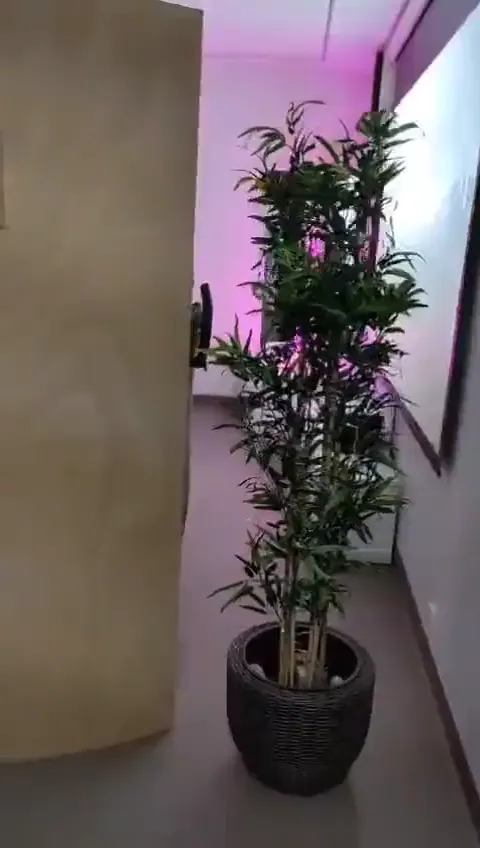
Filmed at a Sense-Garden room

What Sense-Garden is

Dementia takes recent memories first while older ones stay reachable the longest, and Sense-Garden is built entirely around that fact: if the door into someone’s world is their past, then open it properly.

AB12 flows4 weeksAALOpen profileAB12 flows18 min18 min18 minScreenLampSound3topnew

01The caregiver opens the resident's profile

A session starts from a person, not a playlist. The caregiver opens the resident's profile and chooses a flow, a sequence of images and videos assembled for that one life, then the room follows along: the screen plays, and lighting and sound are controlled from the same place. Sessions can also run for groups, with more neutral flows built for shared watching.

While the resident watches, the caregiver quietly records reactions with a tap, and the system acts on them: a few bad reactions stop the session gently, good ones let it continue, and over time the reactions rank the flows and shape new ones around what genuinely lights the person up. The software makes all of this practical on whatever hardware the care home has, playing hours of video and high-resolution media without technical skill required from anyone.

Where it came from

A EUR 2.1M European research project

Sense-Garden began in 2017 as a research project under the AAL Programme, co-funded by the European Commission and the national funding authorities of Norway, Belgium, Romania and Portugal. The full name gives away the ambition: virtual and memory adaptable spaces creating stimuli for the senses in ageing people with dementia.

Eight partners across four countries carried it: the University Hospital of North Norway coordinated, NTNU brought the research depth, and care organizations in Belgium, Portugal and Romania became the first real homes of the rooms. We were brought in to design and build the software that would make the concept work outside a lab.

The project ran for three years and ended, as projects do, in 2020. What happened next is the part worth reading this page for, and it starts in the next section.

The project today: sense-garden.org
Programme
AAL, co-funded by the European Commission
Coordinator
University Hospital of North Norway
Partners
8 institutions in Norway, Belgium, Romania and Portugal
Duration
2017 to 2020, 36 months
Total budget
EUR 2.1M, public contribution EUR 1.3M
Our role
Design and development of the entire software platform

Partners included NTNU, Carol Davila University of Medicine and Pharmacy, Sta. Casa da Misericordia, Vulpia Vlaanderen, Odda Municipality, Compexin and e-Point.

Our part

What we built

Everything the caregiver touches and everything the room does came from our studio: we designed and developed the entire Sense-Garden platform, from the first sketches to the software running in care homes today.

Media that cannot stutter

Hours of video, on whatever hardware exists

A session lives or dies on immersion, and a buffering wheel kills it instantly. The platform plays long videos and high resolution imagery reliably on the mixed, often modest hardware a care home actually has, from tablets to projectors, and keeps doing it for hours at a time.
Built for non technical hands

Complex underneath, simple in the hallway

Caregivers are experts in people, not in software, so the complexity had to disappear. Building a session, running it, reacting to the resident, all of it works without training or technical skill, which is the difference between a research demo and a tool a night shift will actually use.

One platform, many rooms

From a Norwegian lab to rooms in four countries

Every Sense-Garden room is a different space with different screens, lighting and equipment, and the software had to treat that as normal rather than exceptional. The same platform runs them all, installed and adapted per home, which is why it could spread instead of staying a prototype.

The part worth reading

Most research software dies at the final review

Implementation research puts it bluntly: around 80 percent of technology supported change projects in health and social care fail, and research prototypes fail more often still. The pattern is always the same, the funding ends, the servers go quiet, the trained staff move on, and a tool that worked in the pilot becomes a slide in a final report.

Sense-Garden went the other way. When the project ended in 2020, the product entered daily operation instead of an archive: a non-profit association now carries it with over 100 members across Europe, the rooms run daily in care homes in five countries, a portable home version exists, and NTNU teaches with it. The research ended, the care never stopped.

Why it survived

  • It was built as a product from day one, engineered for real care homes rather than polished for review demos.
  • Caregivers could run it without us, because software that needs its developers in the room dies the day they leave.
  • The hardware assumptions were humble, so any home could afford to keep it running on the equipment it already had.
  • The people who used it wanted to keep it, and an association formed around that demand, which is the only sustainability plan that ever truly works.

Where it stands

Seven years on

Today Sense-Garden runs in more than ten care homes across Norway, Belgium, Portugal, Romania and the Netherlands, reaching over 400 residents. It has outgrown its own project: what began as one funded consortium is now an association with a life of its own, growing room by room.

For us it remains the proof we measure other work against, that software built for care can leave the lab, survive its funding, and keep mattering to real people for years. It is also where we learned the lessons that later became products of our own.

  • 10+care homes
  • 5 countriesNorway, Belgium, Portugal, Romania, Netherlands
  • 400+residents reached
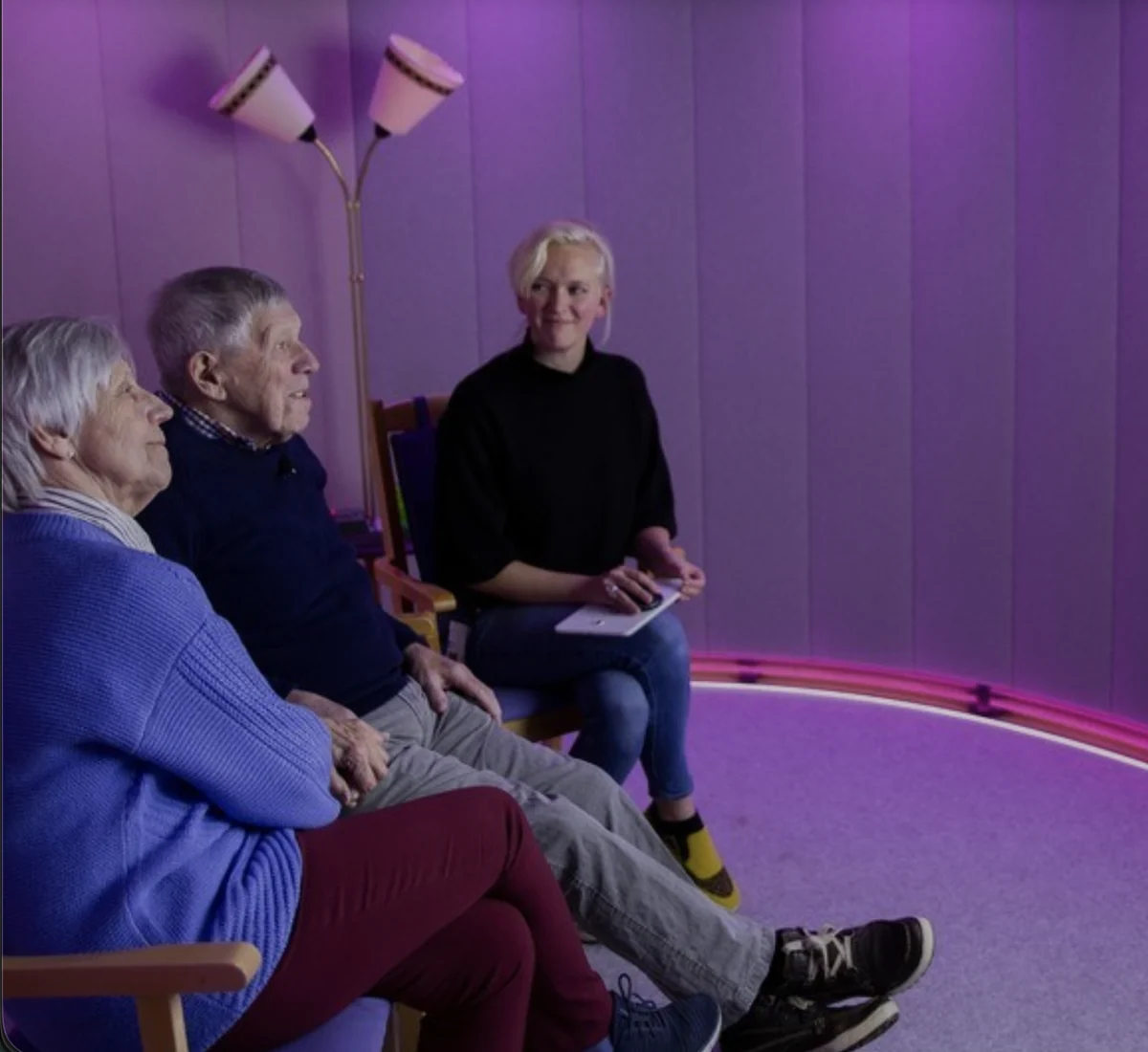
Two residents and a caregiver in a Sense-Garden room during a session
A room in daily use, years after the project ended.

What it taught us

Seven years around dementia care became a product of our own

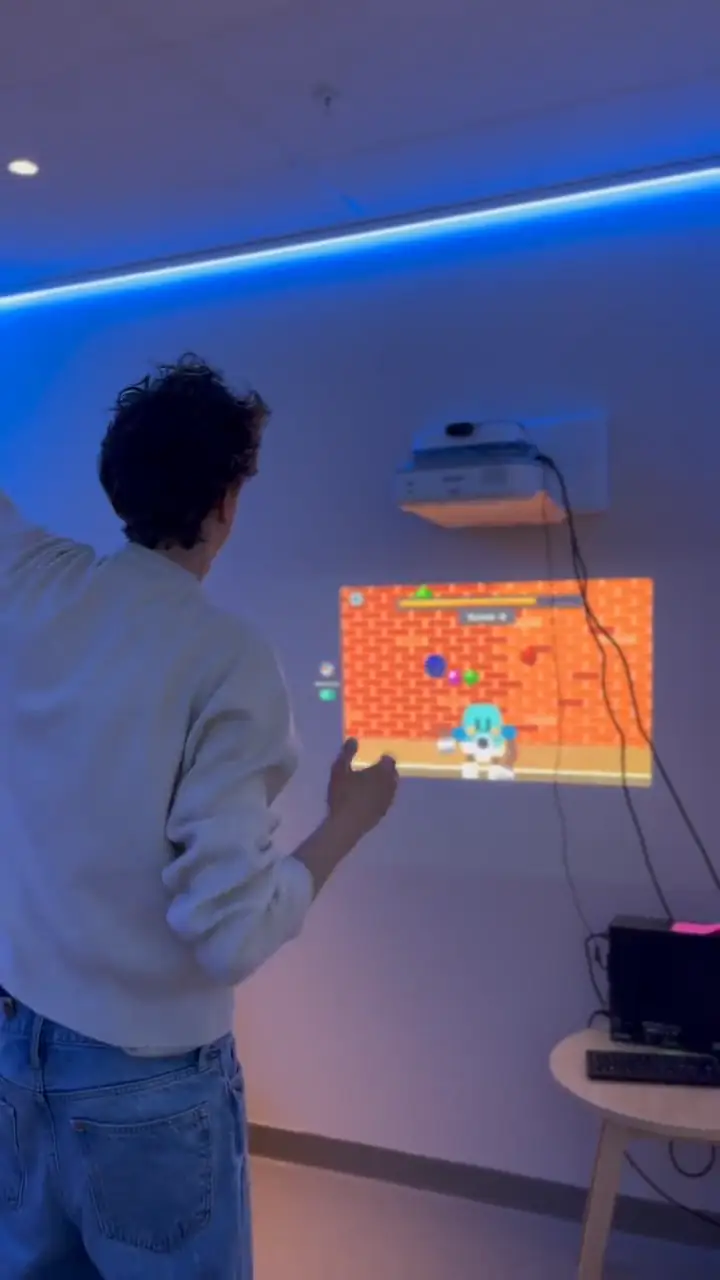
Years of watching residents interact with screens taught us rules no workshop could have: no fail states, because losing feels bad even when the game is gentle, no reading required, and tutorials that show instead of tell. We built those rules into GardenGames, our own games platform for elderly and dementia care, designed with residents and now used in care homes across three countries.

Explore GardenGames

A caregiver at Furuset, Oslo, mid-game

If this is your world

Building something that has to outlive its funding?

Whether you are writing a proposal, running a project, or building care technology that must survive contact with real homes, the conversation costs nothing, and you will talk to the people who built everything on this page, not a sales team.

For research consortia

Bring us in before the budget is fixed. We help scope the technical work package realistically, and we build software that keeps running after the final review, because we have done exactly that.

For care technology companies

If your product must work in real care homes, on modest hardware, run by staff with no time for training, we have spent years learning what that takes, and we build to it.

Two ways to start

Talk it through

Fifteen minutes on your project or proposal, and our first read on it.

Book the call

Start in writing

Describe what you are building below, and we will reply with our first thoughts.

Where are you right now?